
Introduction to Tertiary Consumer
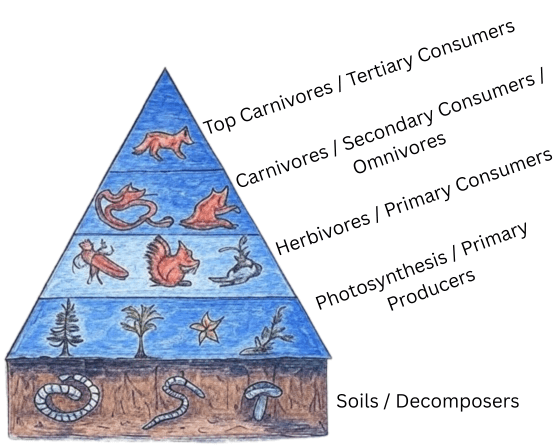
Tertiary consumer is also referred as apex predator because they usually sit at the top of the food chain. In most food chains, there are three main levels of consumers: primary, secondary, and tertiary consumers.
Primary consumers are herbivores that feed on plants. Secondary consumers are typically carnivores that eat the herbivores. Tertiary consumers, on the other hand, may be either carnivores or omnivores. They eat both primary and secondary consumers and usually do not have any natural predators of their own.
Definition of Tertiary Consumer
A tertiary consumer is an animal that feeds on other carnivores or herbivores to meet its nutritional needs. These animals are typically found at the top of the food chain and play a crucial role in maintaining the balance of ecosystems.
Function of Tertiary Consumer
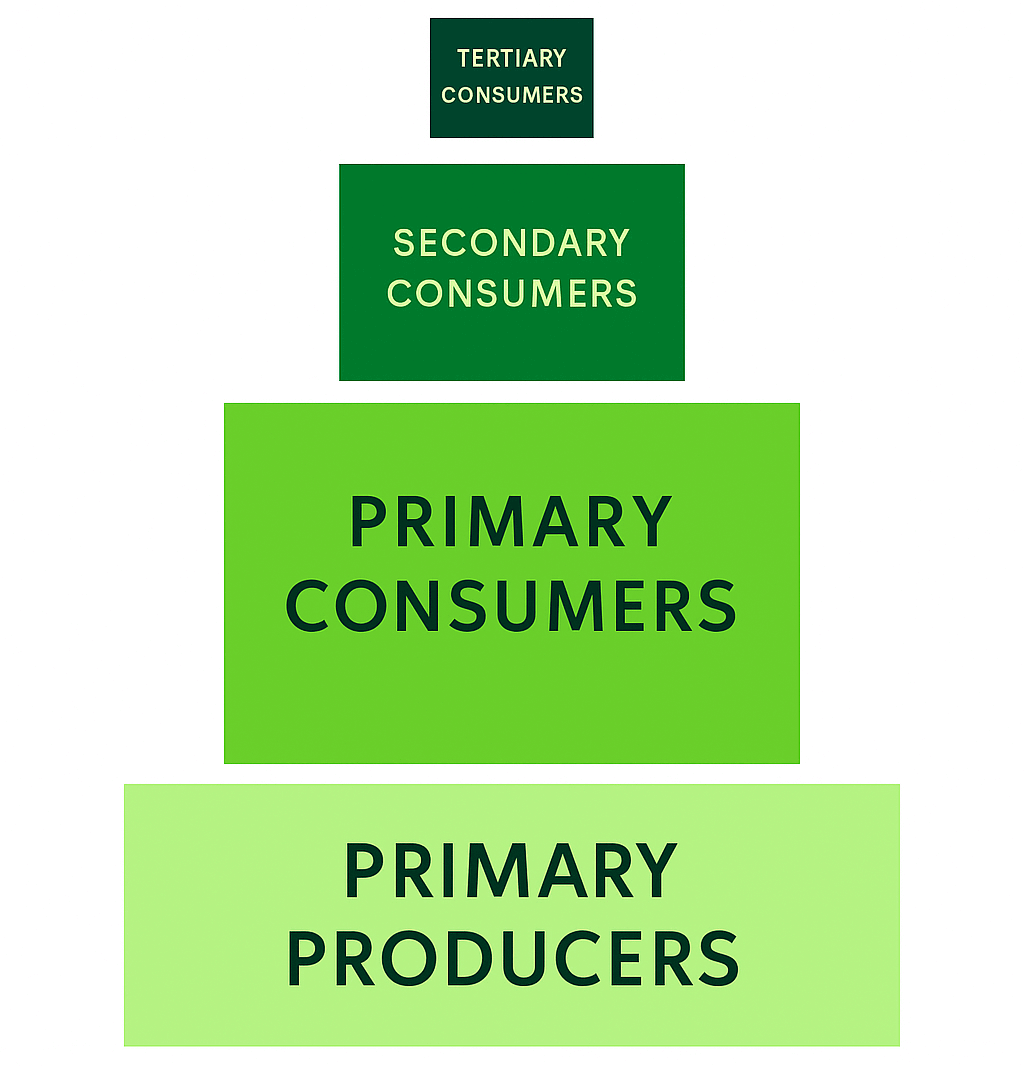
Tertiary consumers play an important role in the energy flow and balance of an ecosystem. In a food chain or food web, every organism has a specific role and position, known as its trophic level. Tertiary consumers occupy the highest trophic level, feeding on both primary and secondary consumers.
When these top-level predators die, their bodies are broken down by scavengers and decomposers, which helps return nutrients to the soil. During this process, energy is released as heat, continuing the flow of energy through the ecosystem.
Tertiary consumers are essential for maintaining the balance of populations in lower levels of the food chain. By controlling the number of herbivores and smaller predators, they help prevent overgrazing and overpopulation, which could otherwise harm the ecosystem.
In addition, these top predators also influence the behavior and movement of other animals. Their presence can shape how and where other species live and feed, contributing to the overall health and stability of the environment.
Examples of Tertiary Consumer
Tertiary consumers are animals that feed on other carnivores or herbivores, making them top-level predators in the food chain. These include many powerful and well-known species found in both land and marine ecosystems.
🐾 Land-Based Tertiary Consumers
Some of the most common examples of terrestrial tertiary consumers are big cats, such as:
- Lions
- Tigers
- Pumas
- Jaguars
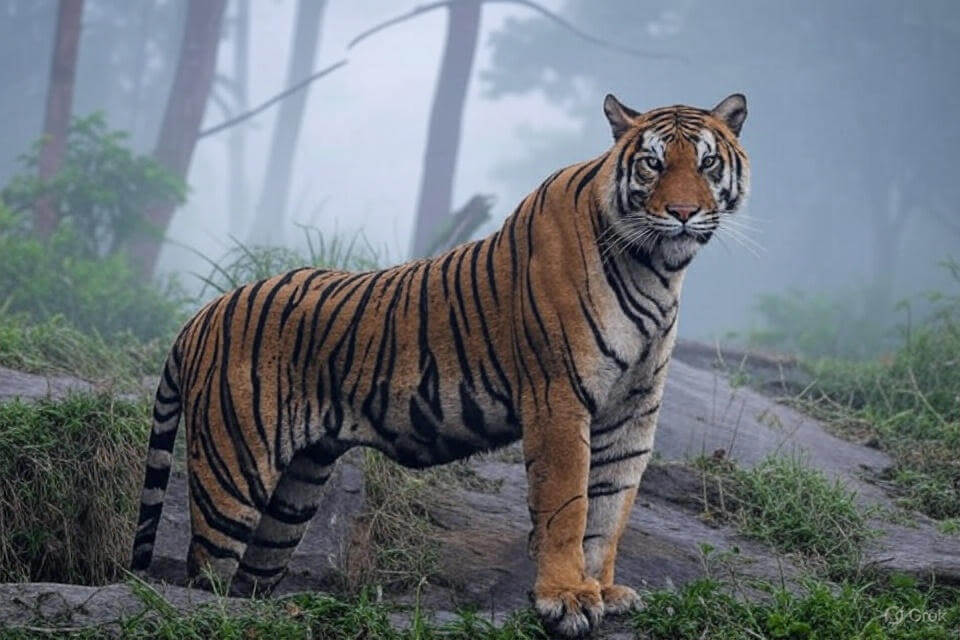
These animals are also called apex predators, meaning they have no natural enemies in their habitats. Their bodies are built for hunting, with sharp teeth, strong jaws, claws, and muscular legs that allow them to run fast and catch prey easily. They also have forward-facing eyes to help track and hunt their prey effectively.
Their diet includes a variety of animals from lower trophic levels, such as:
- Zebras
- Buffaloes
- Deer
- Foxes
👤 Humans as Tertiary Consumers

Human beings are also considered tertiary consumers. Since humans are omnivores, they eat both plants and animals, consuming organisms from nearly all levels of the food chain. This includes:
- Plants (producers)
- Animals (primary and secondary consumers)
- Fungi (like mushrooms)
🌊 Marine Tertiary Consumers
In ocean ecosystems, larger predators also act as tertiary consumers. These include:
- Tuna
- Barracuda
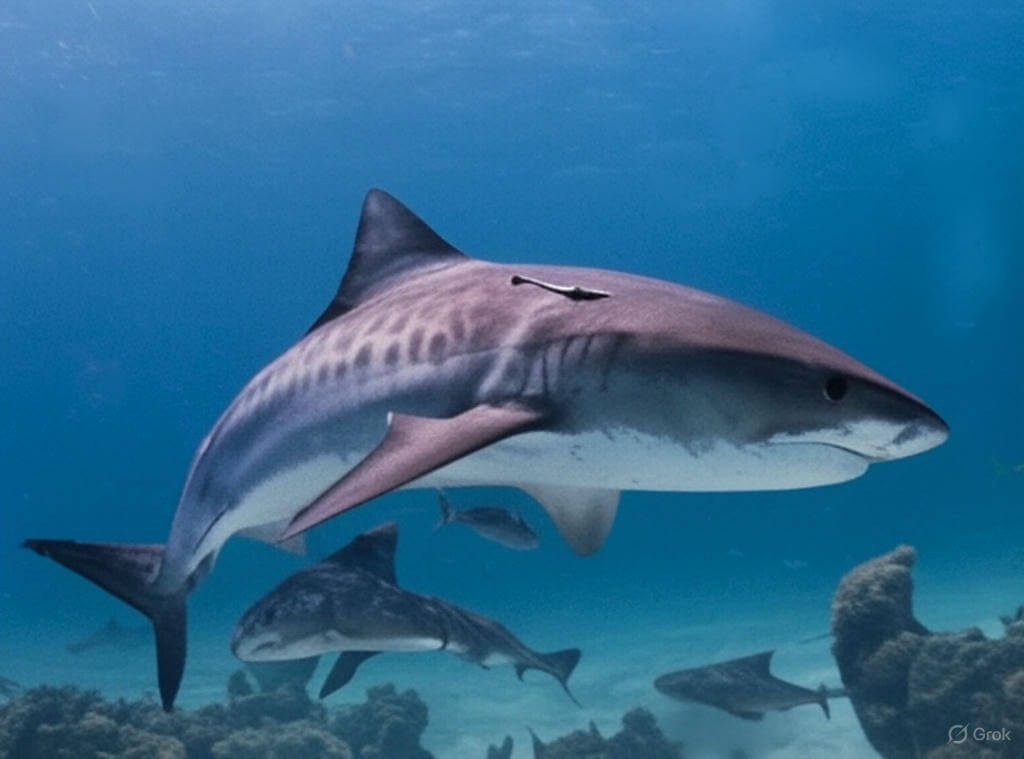
- Sharks
- Dolphins
- Seals
- Sea lions
- Turtles
- Whales
These marine animals feed on a wide variety of species such as:
- Phytoplankton
- Zooplankton
- Smaller fish
- Jellyfish
- Crustaceans
Solved Question For You
Q. Which of the following best describes a tertiary consumer?
(a) An animal that eats other carnivorous or omnivorous animals
(b) An herbivorous animal
(c) A fast animal
(d) An animal in the third trophic level
Answer: (d) An animal in the third trophic level
Explanation:
Tertiary consumers occupy the third trophic level in a food chain. They feed on secondary consumers, which are often carnivores or omnivores themselves. By doing so, tertiary consumers help control population levels and maintain ecological balance within an ecosystem.